Here’s the guide again with a simpler, more animal-focused trip story.
Start with these islands
For a first trip, these are the easiest bases and the most rewarding mix of wildlife, beaches, and day trips.
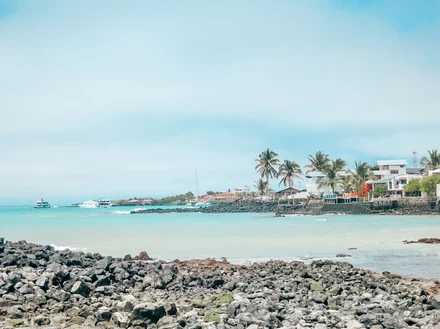
Santa Cruz
Best first base with easy logistics, day trips, tortoises, and Puerto Ayora as the main hub.
Best base
Day trips
Tortoises
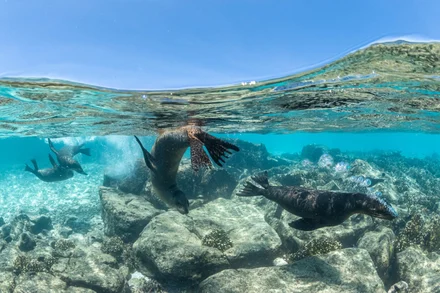
San Cristóbal
Great for sea lions, viewpoints, snorkeling, and a more relaxed town feel.
Wildlife
Snorkeling
Views

Isabela
The best pick for volcanic landscapes, slower pace, and standout nature excursions.
Volcanoes
Nature
Snorkeling
Española
A classic wildlife island for dramatic scenery and iconic seabird encounters.
Birdlife
Cliffs
Boat trip
Best places to visit
These are some of the standout stops that make a Galápagos trip feel special.
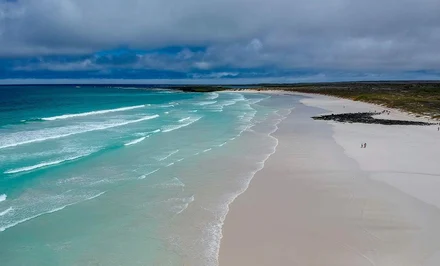
Tortuga Bay
A beautiful Santa Cruz beach with wildlife and a long scenic walk.
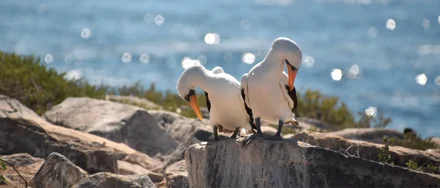
Punta Suarez
One of the best wildlife sites for dramatic coastal scenery and seabirds.
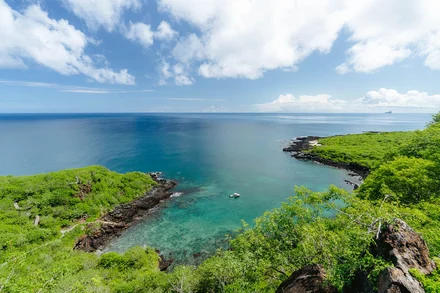
Cerro Tijeretas
A San Cristóbal viewpoint with frigatebirds and nearby snorkeling.
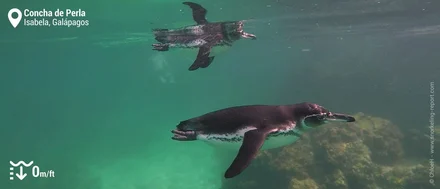
Pearl Shell
A calm Isabela snorkeling spot in mangroves with rich marine life.
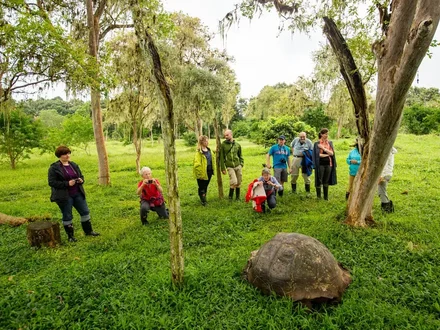
Rancho Primicias
A classic Santa Cruz stop for giant tortoises and lava tunnels.

Cerro Colorado
A strong San Cristóbal tortoise stop with breeding and education areas.
Wildlife to look for
These are the animals that make the Galápagos feel unlike anywhere else.
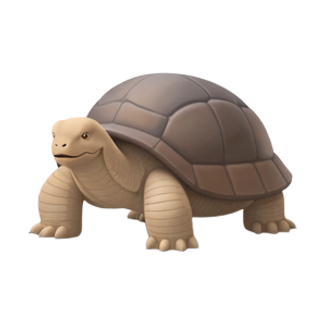
Giant tortoise
The islands’ most iconic resident
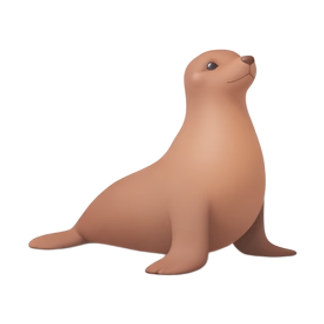
Sea lion
Playful, noisy, and everywhere
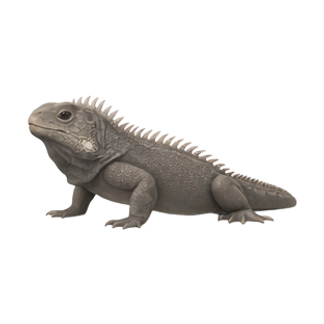
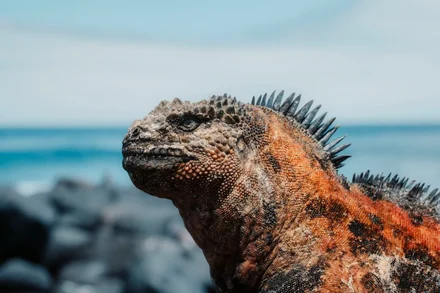
Marine iguana
The only sea-foraging lizard
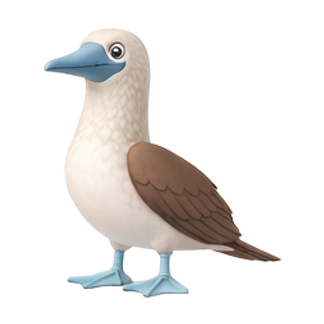
Blue-footed booby
A classic Galápagos seabird
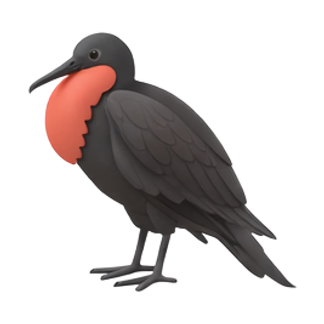
Frigatebird
Easy to spot above the coast
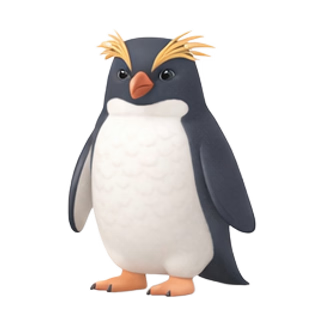
Galápagos penguin
Tiny penguins in tropical waters
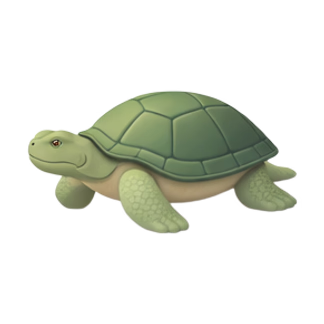
Sea turtle
A highlight while snorkeling
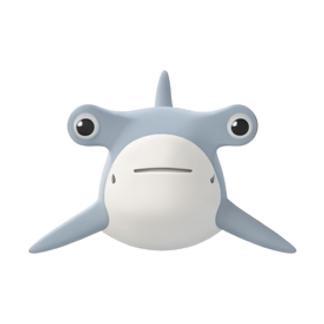
Hammerhead shark
A dream sight for divers

Darwin’s finches
Small birds with huge fame
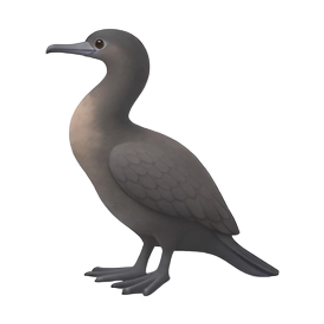
Flightless cormorant
A rare Galápagos specialist
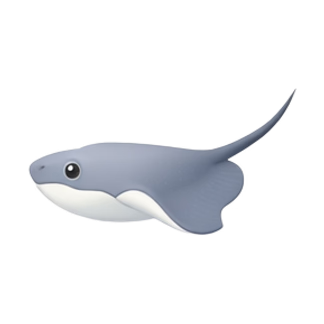
Ray
Often seen in clear shallows
What to do
The best trips mix wildlife viewing, water time, and one or two bigger excursions.
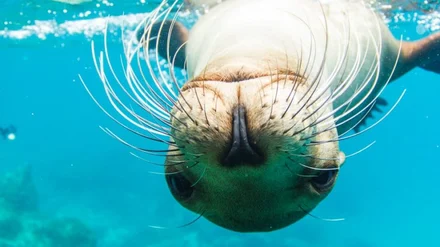
Snorkel daily
Sea lions, turtles, rays, and reef life
See tortoises
Best on Santa Cruz highlands
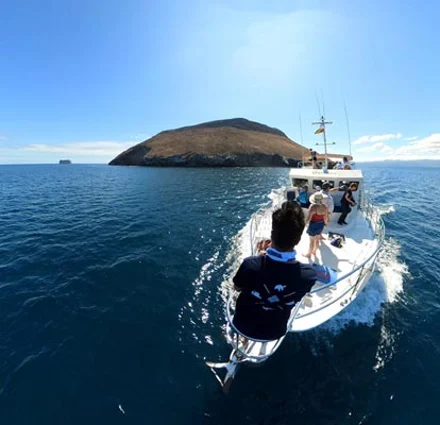
Take boat trips
Reach iconic wildlife islands
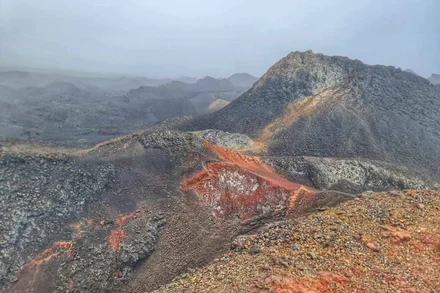
Hike volcanoes
Best on Isabela
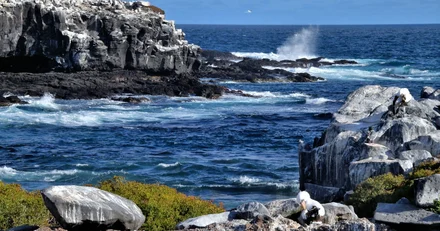
Watch seabirds
Española and cliffs are excellent
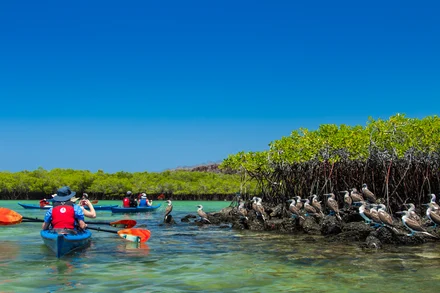
Kayak mangroves
Quiet coastal exploration
When to go
There is no bad season, but the feel of the trip changes a lot.
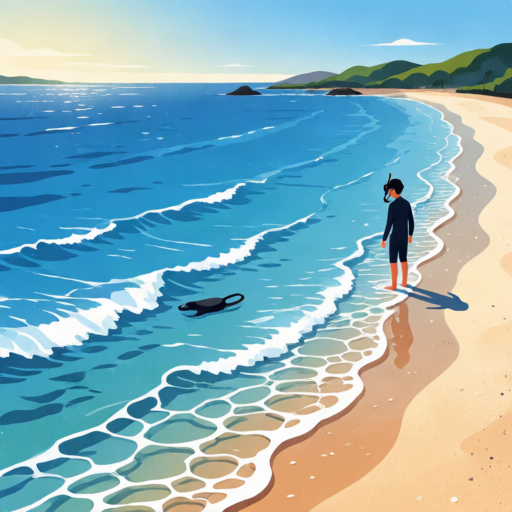
Warmer and calmer
SnorkelingBeaches
Warmer seas, greener landscapes, and calmer conditions make this the easiest season for swimming and island hopping.
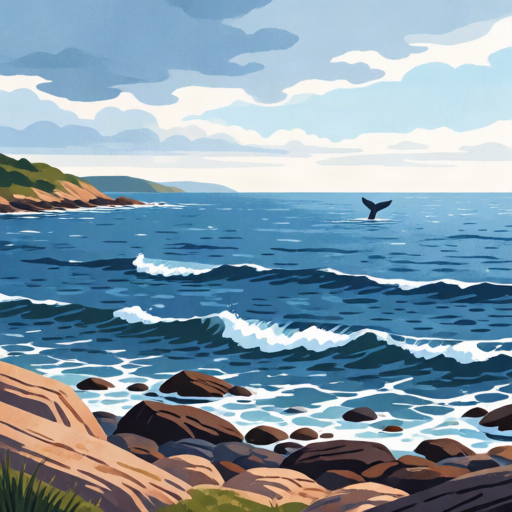
Cooler and wilder
DivingWildlife
Cooler water and stronger currents bring excellent marine life activity and often better diving conditions.
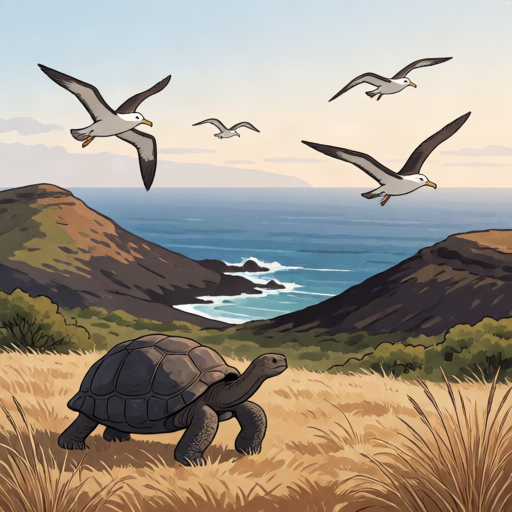
Always worth it
WildlifeNature
Wildlife is the constant, so the best time really depends on whether you care more about calm seas, diving, or specific species.
How to get there
The logistics are straightforward once you know the sequence.

Fly to Ecuador
QuitoGuayaquil
Most trips start with an international flight to mainland Ecuador, usually Quito or Guayaquil.

Fly to Galápagos
BaltraSan Cristóbal
Take a domestic flight to either Baltra or San Cristóbal, the two main gateways into the islands.

Handle entry steps
TCCPark fee
Before departure from the mainland, luggage is screened, and on arrival you pay the Galápagos National Park fee.
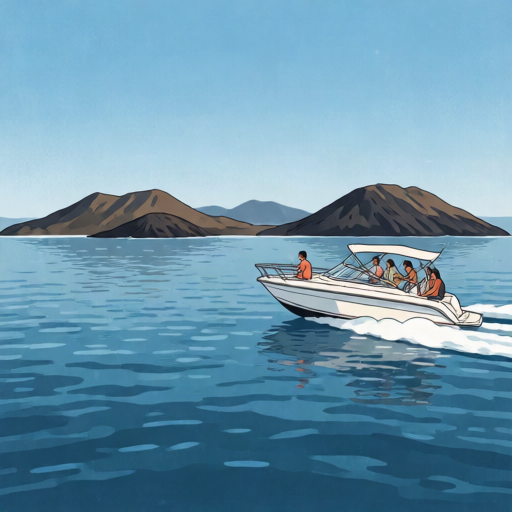
Move between islands
FerriesCruises
Travel between inhabited islands by speedboat, or choose a cruise if you want access to more remote visitor sites.
Cruise or island hop
Both work well, but they create very different trips.
More town time and independent pacing
—More structured daily schedule
More reachBest for Santa Cruz, San Cristóbal, Isabela
—Best for remote islands and more ecosystems
Adds remote sitesEasier to mix hotels and free time
Everything moves with the ship
Good for travelers who like flexibility
—Good for travelers who want simplicity
Less planningUses ferries and day boats
Uses one vessel throughout
Usually lower upfront cost
—Usually higher upfront cost
Costs moreCan feel choppy on ferry days
—Less repacking between stops
Smoother flowWorks well for 7 to 8 days
—Works especially well for longer routes
More coverageMap of the guide
These are some of the key stops and islands to anchor a first trip.
Practical tips
Bring sun protection, motion-sickness backup if you are ferrying between islands, and enough cash for smaller expenses because ATMs can be limited. Flights usually route through Quito or Guayaquil, and the islands have strict biosecurity rules, so expect luggage screening before departure. For a first trip, a week is a sweet spot, and Santa Cruz is usually the easiest base to build around.
A trip story
A simpler, more animal-focused version of what a first Galápagos trip can feel like.
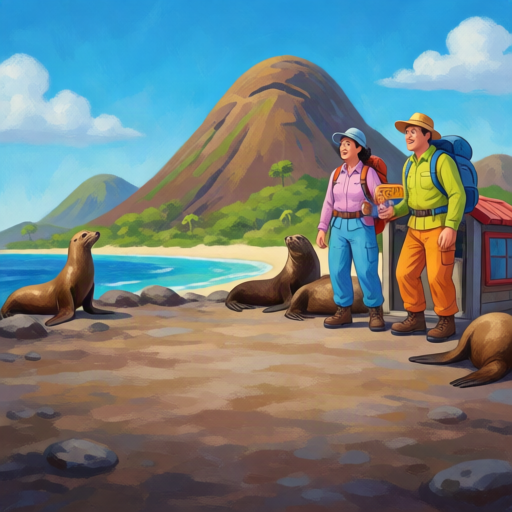
You arrive and the islands already feel like a bright little wildlife world set apart from everything else.
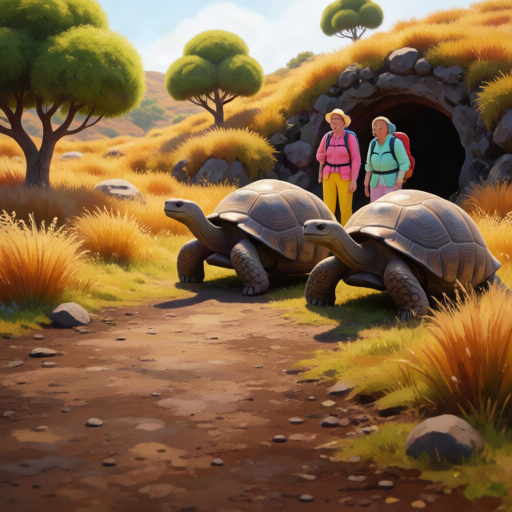
In the Santa Cruz highlands, giant tortoises move with total confidence, as if they have all the time in the world.
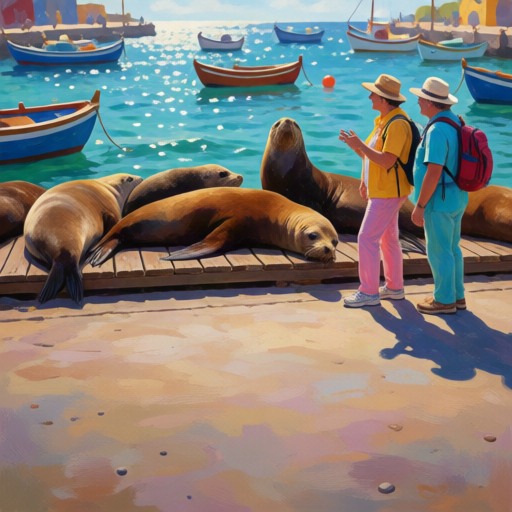
At the waterfront, animals seem to ignore the human schedule completely...
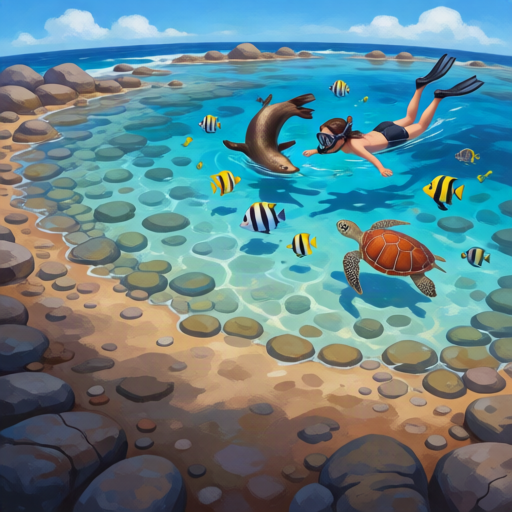
...and in the water, the whole trip becomes faster, brighter, and more playful.
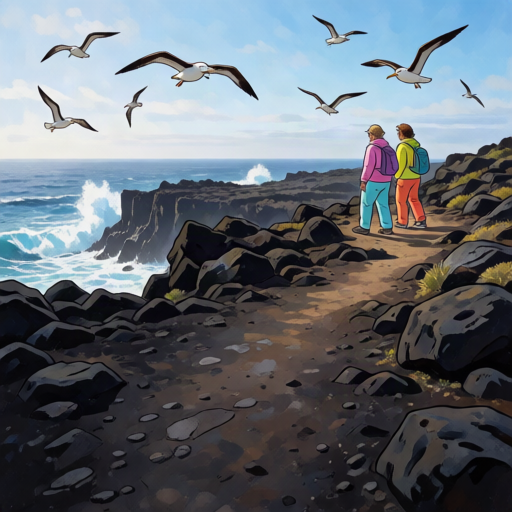
On the outer islands, cliffs, surf, and seabirds make everything feel bigger and wilder.
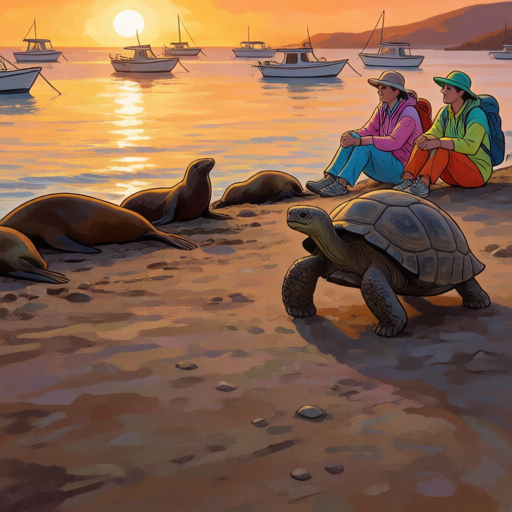
By the end, what stays with you most is not the rush, but the rhythm: slow tortoises, noisy sea lions, bright water, and long quiet views.
What next
Can you turn this into a 7-day itinerary?
Where should I stay on each island?
What are the best wildlife and snorkeling tours?